
HISTORY

The company history of Serumwerk Bernburg AG at a glance:
1950s

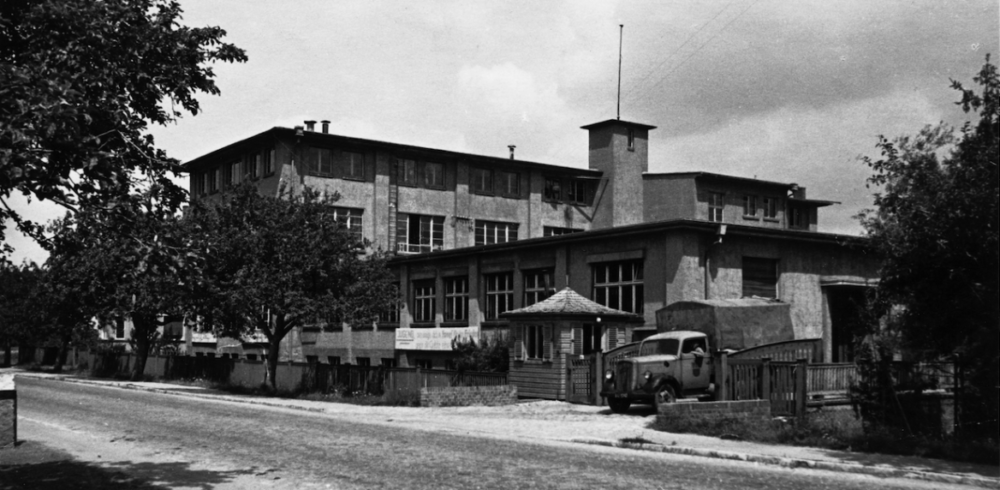
Based on a decision of the GDR Council of Ministers, the Serum-Werk Dessau operation existing up to that point is trans­for­med into the Research Institute for Vaccines and, at the same time, the previous pro­duc­tion moves to an inde­pen­dent operation in Bernburg.

On 01.01.1954 the foun­da­ti­on stone of VEB Serumwerk Bernburg is laid on the site of the former Weigel chocolate factory.

Over the next few years the following manu­fac­tu­ring faci­li­ties are set up and expanded:


  • Solutions for infusion for hospital needs
  • Medicines for phar­maci­es
  • Vete­ri­na­ry medicines

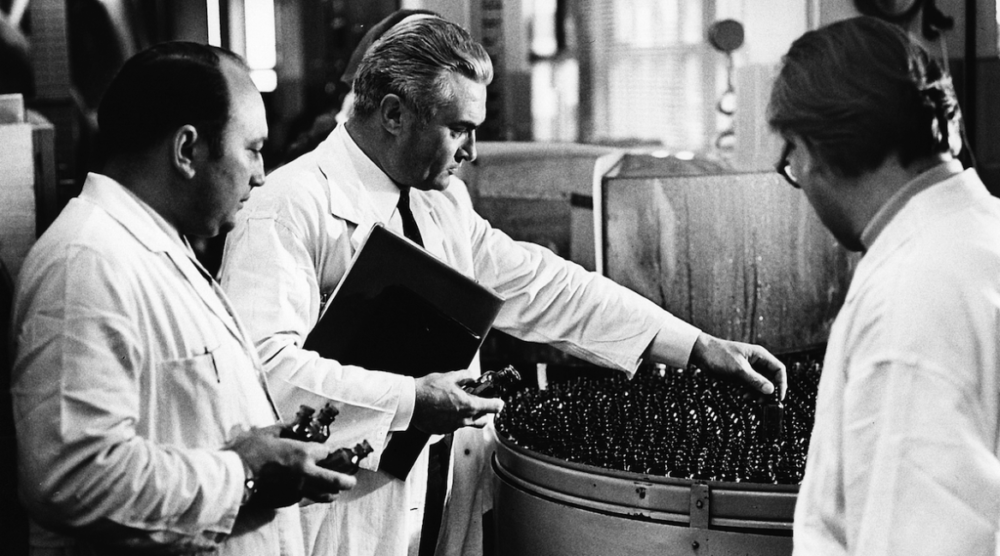
1960s

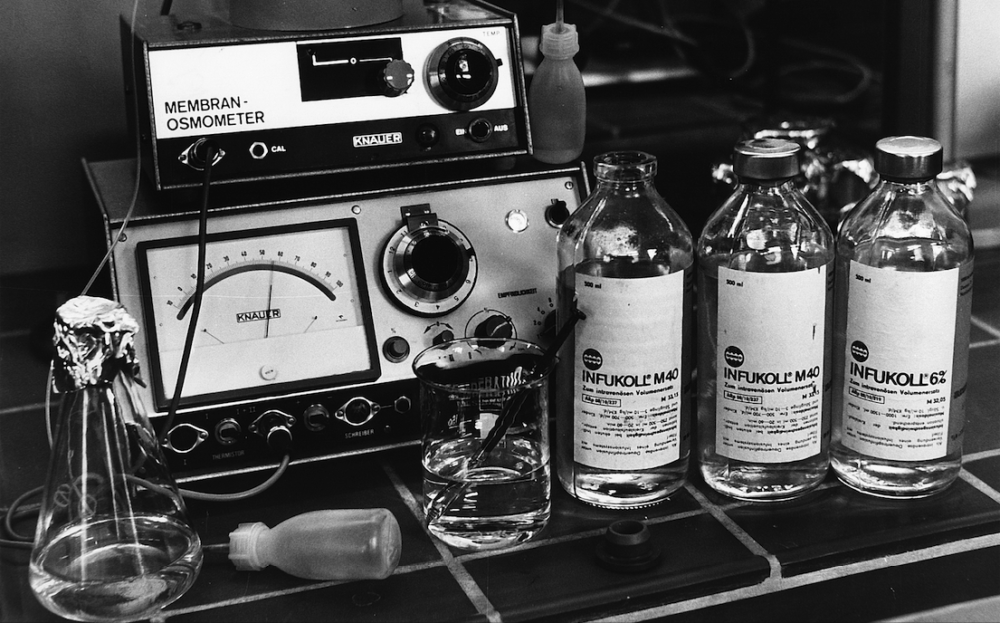
One of the company’s key acti­vi­ties is the pro­duc­tion of dextran. It is a poly­gly­can which is obtained from sucrose by bio­che­mi­cal synthesis.
The infusion solutions produced with dextran stay in the patient’s cir­cu­la­ti­on longer than elec­tro­ly­te solutions.

Further invest­ment is made into research and deve­lo­p­ment activity in the area of synthesis. For vete­ri­na­ry medicine, a 2% iron dextran (Ursof­er­ran®) for pre­ven­ti­on of anaemia in suckling piglets is launched in 1961.
1970s

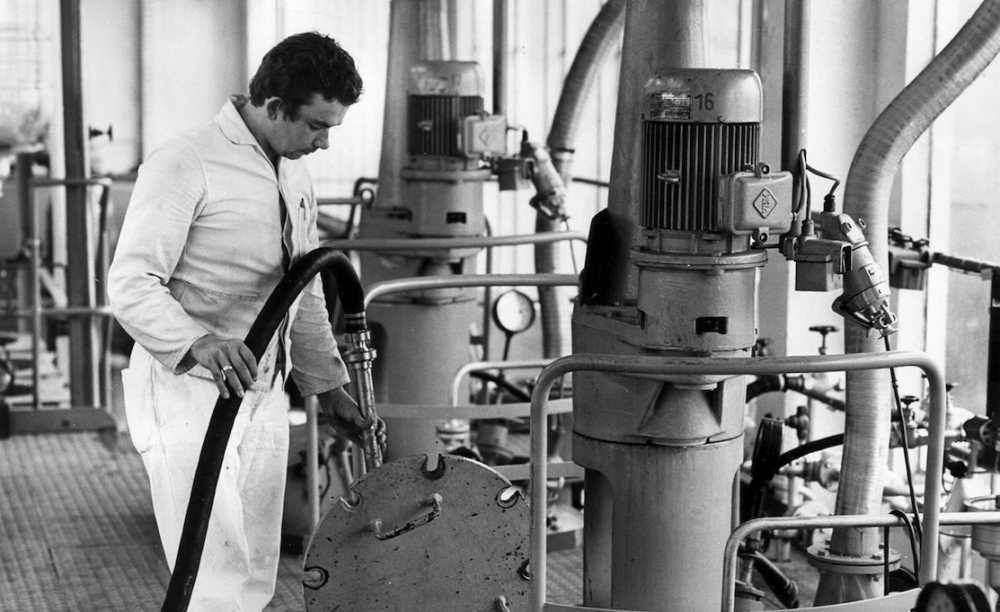
In view of the constant growth in pro­duc­tion, con­sidera­ble invest­ment is made and more pro­duc­tion faci­li­ties for vete­ri­na­ry phar­maceu­ti­cals and infusion solutions are brought into operation. The range of infusion solutions is expanded to 25 car­bo­hy­dra­te and elec­tro­ly­te solutions and Ursof­er­ran 100 is added to iron dextran pro­duc­tion.
Since 1954 to the present day, over 200 different medicinal products for the human and vete­ri­na­ry sector, health­ca­re products and labo­ra­to­ry chemicals have been developed.

At the end of the 1970s around 90% of the vete­ri­na­ry medicines needed in the GDR are produced at VEB Serumwerk Bernburg.
1980s

At the start of the decade parts of the operation in Leipzig and Dresden are assigned to and inte­gra­ted into VEB Serumwerk Bernburg. Staff numbers rise con­ti­nuous­ly and in 1988 there are 686 employees.

The fall of the Berlin Wall in November 1989 changes the political and economic situation in Eastern Germany for good.
1990s

With German Reuni­fi­ca­ti­on, lots of companies in the former GDR begin to struggle for survival. Only a few are able to hold their ground in the new economic system. Pri­va­tiza­ti­on as a public limited company (Akti­en­ge­sell­schaft – AG) by a manage­ment buy-out at the end of February 1992 secures the company’s route into the market economy. Serumwerk Bernburg achieved this thanks to the com­mit­ment and con­fi­dence of the manage­ment under the direction of Dr. Helge Fänger.

For the first few years the limited company has to invest millions to gain the required GMP cer­ti­fi­ca­ti­on of its manu­fac­tu­ring faci­li­ties and for costly reli­cen­sing pro­ce­du­res for tried and tested phar­maceu­ti­cals.

The technical expertise and wealth of ideas of the company’s staff lead to several new deve­lo­p­ments and product modi­fi­ca­ti­ons, which open up other important sales markets at the national and inter­na­tio­nal level.

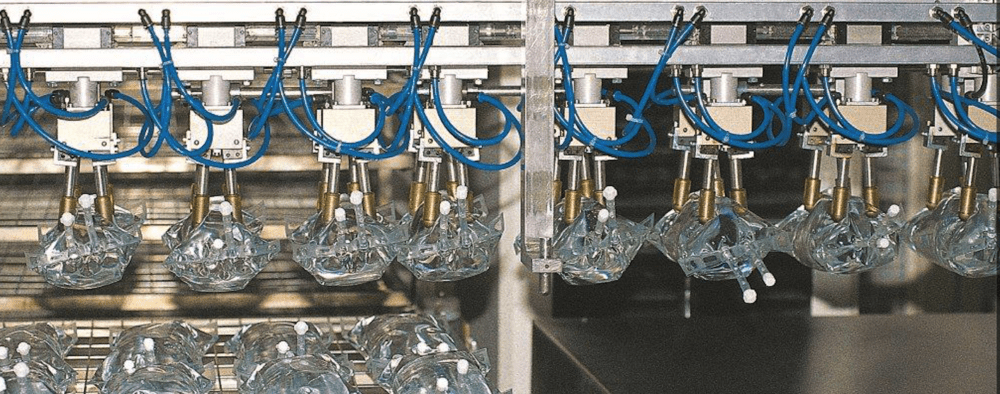
By starting up Europe’s most modern synthesis plant for hydro­xy­ethyl starch and other poly­glu­cans and launching a new manu­fac­tu­ring process for the iron dextran-heptonic acid complex (Gleptof­er­ron), the company sets standards worldwide.

With it’s acqui­si­ti­on of the vete­ri­na­ry medicines sales company MEDISTAR in 1998 and the estab­lish­ment of the sub­si­dia­ry Serumwerk Bernburg Vertriebs GmbH in 1999 in order to market dialysis products, the company positions itself as a reliable and versatile partner for doctors, vete­ri­na­ry surgeons, medical practices, phar­maci­es and who­le­sa­lers.

2000s

The invest­ment in new products pays off and secures many product inno­va­tions in the active ingre­di­ent, vete­ri­na­ry and infusion solutions market.

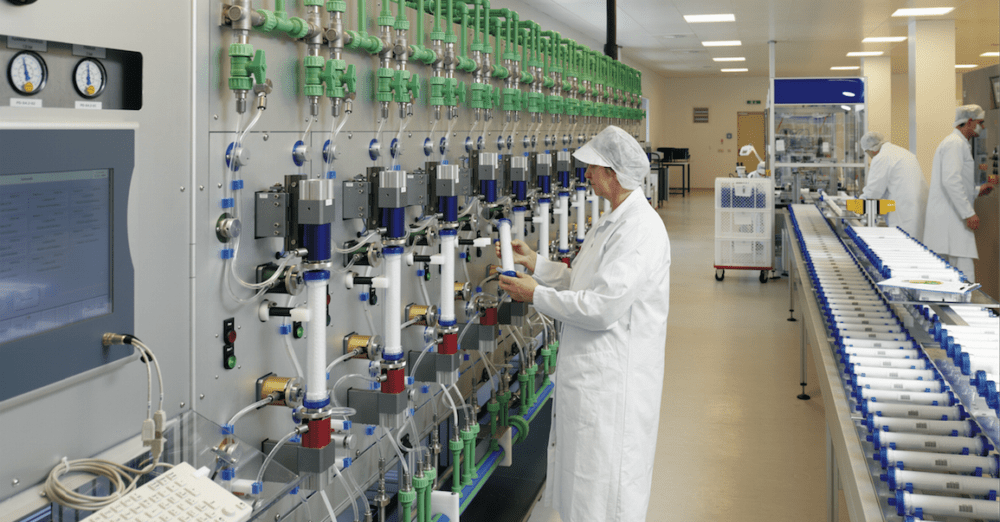
With the founding of the sub­si­dia­ry MTP Medical Tech­no­lo­gies GmbH in Pirna for medical tech­no­lo­gy and medical devices pro­duc­tion, the company secures its inde­pen­dence from suppliers and gua­ran­tees the highest product quality, including for dialyzers.

The inter­na­tio­nal demand for medicinal products, medical devices and polymeric active ingre­di­ents from Serumwerk Bernburg AG, makes further major invest­ment necessary to expand the capacity for synthesis of active ingre­di­ents as well as the logistics centre at the Bernburg site.

The company enters new territory with its purchase of a hotel business, Acamed Resort GmbH in Bernburg. Today the hotel is among the top accom­mo­da­ti­on addresses in Central Germany for overnight and con­fe­rence guests as well as golf enthu­si­asts.

2010s

In 2015 the FDA approval for Dextran as well as Gleptof­er­ron pro­duc­tion was achieved.

Within the past 20 years, the company’s turnover has trebled and the export share has risen from four to 30 per cent over the same period.
Bernburg’s top products are exported to around 90 countries. Around 412 employees within the company group ensure the very best quality in products as well as inno­va­ti­on and satisfied customers.

Com­mis­sio­ning of a pro­duc­tion plant for acute dialysis solutions (coope­ra­ti­on project).

For more than two decades SWB AG is well known to provide products for anti­bio­tic treatment of pro­duc­tion animals. Recently a decision has been made to shift strategic focus to pro­phy­la­xis. Thus in 2017 the company deter­mi­ned to invest in vete­ri­na­ry vaccines. In coope­ra­ti­on with a number of expe­ri­en­ced partners, SWB AG has estab­lished serYmun Yeast GmbH in Halle (Saale). A research program has been set off to develop vaccines for livestock, applying a novel procedure.

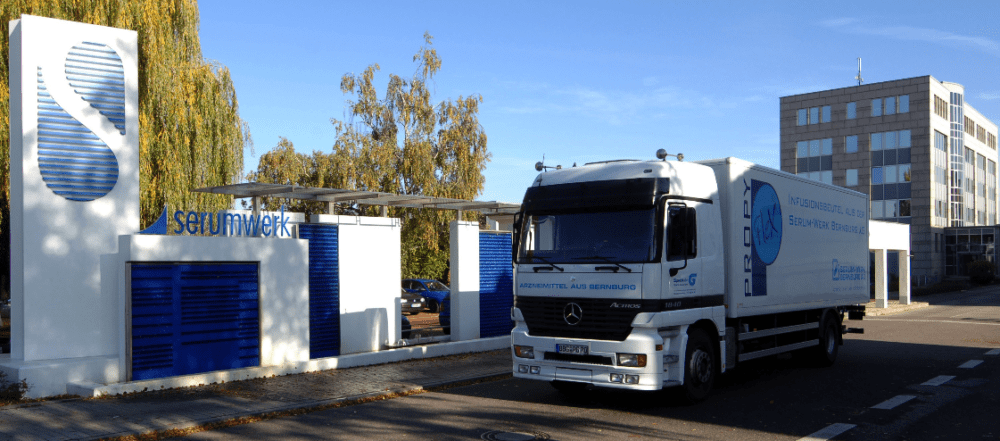
Ansicht der historischen Einfahrt zum Serumwerk

1950s

Based on a decision of the GDR Council of Ministers, the Serum-Werk Dessau operation existing up to that point is trans­for­med into the Research Institute for Vaccines and, at the same time, the previous pro­duc­tion moves to an inde­pen­dent operation in Bernburg.

On 01.01.1954 the foun­da­ti­on stone of VEB Serumwerk Bernburg is laid on the site of the former Weigel chocolate factory.

Over the next few years the following manu­fac­tu­ring faci­li­ties are set up and expanded:

  • Solutions for infusion for hospital needs
  • Medicines for phar­maci­es
  • Vete­ri­na­ry medicines
    Historische Gläser

    1960s

    One of the company’s key acti­vi­ties is the pro­duc­tion of dextran. It is a poly­gly­can which is obtained from sucrose by bio­che­mi­cal synthesis.
    The infusion solutions produced with dextran stay in the patient’s cir­cu­la­ti­on longer than elec­tro­ly­te solutions.

    Further invest­ment is made into research and deve­lo­p­ment activity in the area of synthesis. For vete­ri­na­ry medicine, a 2% iron dextran (Ursof­er­ran®) for pre­ven­ti­on of anaemia in suckling piglets is launched in 1961.

    Herren in Kitteln mit kleinen Glasflaschen

    1970s

    In view of the constant growth in pro­duc­tion, con­sidera­ble invest­ment is made and more pro­duc­tion faci­li­ties for vete­ri­na­ry phar­maceu­ti­cals and infusion solutions are brought into operation. The range of infusion solutions is expanded to 25 car­bo­hy­dra­te and elec­tro­ly­te solutions and Ursof­er­ran 100 is added to iron dextran pro­duc­tion.
    Since 1954 to the present day, over 200 different medicinal products for the human and vete­ri­na­ry sector, health­ca­re products and labo­ra­to­ry chemicals have been developed.

    At the end of the 1970s around 90% of the vete­ri­na­ry medicines needed in the GDR are produced at VEB Serumwerk Bernburg.

    Mann in Arbeitskleidung

    1980s

    At the start of the decade parts of the operation in Leipzig and Dresden are assigned to and inte­gra­ted into VEB Serumwerk Bernburg. Staff numbers rise con­ti­nuous­ly and in 1988 there are 686 employees.

    The fall of the Berlin Wall in November 1989 changes the political and economic situation in Eastern Germany for good.

    Beutel mit Schläuchen

    1990s

    With German Reuni­fi­ca­ti­on, lots of companies in the former GDR begin to struggle for survival. Only a few are able to hold their ground in the new economic system. Pri­va­tiza­ti­on as a public limited company (Akti­en­ge­sell­schaft – AG) by a manage­ment buy-out at the end of February 1992 secures the company’s route into the market economy. Serumwerk Bernburg achieved this thanks to the com­mit­ment and con­fi­dence of the manage­ment under the direction of Dr. Helge Fänger.

    For the first few years the limited company has to invest millions to gain the required GMP cer­ti­fi­ca­ti­on of its manu­fac­tu­ring faci­li­ties and for costly reli­cen­sing pro­ce­du­res for tried and tested phar­maceu­ti­cals.

    The technical expertise and wealth of ideas of the company’s staff lead to several new deve­lo­p­ments and product modi­fi­ca­ti­ons, which open up other important sales markets at the national and inter­na­tio­nal level.

    By starting up Europe’s most modern synthesis plant for hydro­xy­ethyl starch and other poly­glu­cans and launching a new manu­fac­tu­ring process for the iron dextran-heptonic acid complex (Gleptof­er­ron), the company sets standards worldwide.

    With it’s acqui­si­ti­on of the vete­ri­na­ry medicines sales company MEDISTAR in 1998 and the estab­lish­ment of the sub­si­dia­ry Serumwerk Bernburg Vertriebs GmbH in 1999 in order to market dialysis products, the company positions itself as a reliable and versatile partner for doctors, vete­ri­na­ry surgeons, medical practices, phar­maci­es and who­le­sa­lers.

    Gang mit Kartuschen

    2000s

    The invest­ment in new products pays off and secures many product inno­va­tions in the active ingre­di­ent, vete­ri­na­ry and infusion solutions market.

    With the founding of the sub­si­dia­ry MTP Medical Tech­no­lo­gies GmbH in Pirna for medical tech­no­lo­gy and medical devices pro­duc­tion, the company secures its inde­pen­dence from suppliers and gua­ran­tees the highest product quality, including for dialyzers.

    The inter­na­tio­nal demand for medicinal products, medical devices and polymeric active ingre­di­ents from Serumwerk Bernburg AG, makes further major invest­ment necessary to expand the capacity for synthesis of active ingre­di­ents as well as the logistics centre at the Bernburg site.

    The company enters new territory with its purchase of a hotel business, Acamed Resort GmbH in Bernburg. Today the hotel is among the top accom­mo­da­ti­on addresses in Central Germany for overnight and con­fe­rence guests as well as golf enthu­si­asts.

    Einfahrt zum Serumwerk mit LKW

    2010s

    In 2015 the FDA approval for Dextran as well as Gleptof­er­ron pro­duc­tion was achieved.

    Within the past 20 years, the company’s turnover has trebled and the export share has risen from four to 30 per cent over the same period.
    Bernburg’s top products are exported to around 90 countries. Around 412 employees within the company group ensure the very best quality in products as well as inno­va­ti­on and satisfied customers.

    Com­mis­sio­ning of a pro­duc­tion plant for acute dialysis solutions (coope­ra­ti­on project).

    For more than two decades SWB AG is well known to provide products for anti­bio­tic treatment of pro­duc­tion animals. Recently a decision has been made to shift strategic focus to pro­phy­la­xis. Thus in 2017 the company deter­mi­ned to invest in vete­ri­na­ry vaccines. In coope­ra­ti­on with a number of expe­ri­en­ced partners, SWB AG has estab­lished serYmun Yeast GmbH in Halle (Saale). A research program has been set off to develop vaccines for livestock, applying a novel procedure.